
Roofs Checked After Every Storm
Storm damage repair in Wimberley for wind and hail damage to shingle and metal roofs
The same storm can lift shingles on one house and leave the neighbor's untouched, so each roof is checked on its own after a storm passes through the Hill Country. You need someone to walk the roof and document what the wind or hail actually did, not what it might have done. Western Skies Roofing & Construction inspects and repairs storm damage to roofs in Wimberley, evaluating each property individually to determine what was compromised and what still functions correctly.
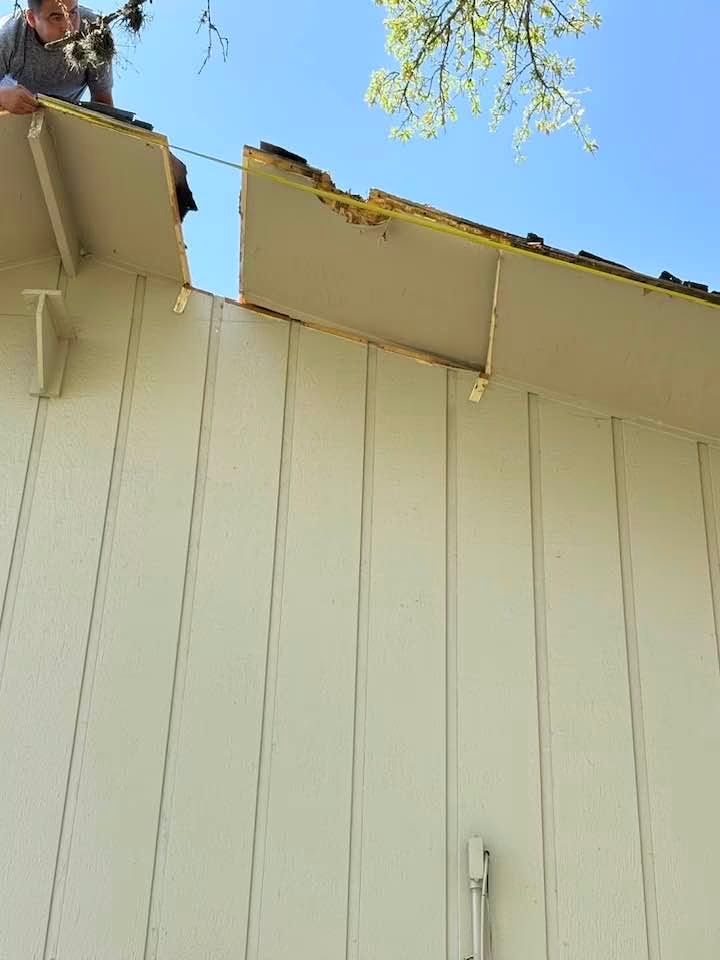
Storm season in the Hill Country tends to spike in spring and fall, and damage shows up as lifted shingles, dented metal panels, torn flashing, or cracked ridge caps. Wind gets under edges that were already slightly loose and peels them back, and hail impacts metal with enough force to dimple the surface or crack the coating. The inspection identifies which components failed and whether the underlayment or decking underneath was exposed.
Request a post-storm roof evaluation to document damage before filing an insurance claim.
Once the damage is documented, the repair begins with emergency measures if the roof is actively leaking, then moves to permanent restoration once materials arrive and weather permits. Temporary tarps or sealant keep water out until shingles, panels, or flashing can be replaced, and the final repair matches the existing roof material and color as closely as possible.
You will notice that lifted shingles lie flat again, dented panels are replaced with smooth ones, and torn flashing is sealed and secured. The roof stops admitting water during rain, and the attic stays dry. If the underlayment was compromised, that layer is also replaced so the roof has full protection even if the shingles are damaged again in the future.
Storm damage repair does not upgrade the roof to a more impact-resistant material unless you request it; the work restores the roof to its pre-storm condition. If the existing material has reached the end of its lifespan, replacement may be recommended instead of repair, and the inspection report explains that distinction clearly.
Answers About How the Work Is Done
Questions about storm damage repair in Wimberley and Johnson City tend to focus on timing, what gets documented, and what the repair actually includes.
What gets checked during a post-storm roof inspection?
The inspector examines shingles for wind lift and granule loss, metal panels for dents and fastener damage, flashing for tears or separation, and ridge caps for cracks, then photographs each area of damage and notes its location on a diagram.
How soon after a storm should the roof be inspected?
Inspect within a few days if possible, especially if you notice missing shingles or interior leaks, because documentation is easier before the next storm and because temporary repairs can prevent secondary water damage to the decking and framing.
What is the difference between a tarp and a permanent repair?
A tarp is a waterproof cover anchored over the damaged area to stop leaks until materials and weather allow for permanent work, while the permanent repair involves removing damaged components, replacing underlayment if necessary, and installing new shingles or panels that match the existing roof.
Why does hail damage sometimes show up on metal but not shingles?
Hail dents metal because it is a rigid surface, while shingles absorb impact through their flexibility, though large hail can still crack shingles or knock off granules, and both types of damage compromise the roof's ability to shed water over time.
What should you look for after storm damage repair is finished?
Check that replaced shingles or panels match the surrounding material in color and profile, that all flashing is sealed and lies flat, and that no gaps or lifted edges remain where wind or water could enter during the next storm.
Western Skies Roofing & Construction also repairs storm damage in Dripping Springs, San Antonio, New Braunfels, Fredericksburg, and Canyon Lake. Call (512) 906-9671 to schedule an inspection and receive a detailed damage report with repair recommendations.