
Clear Answers After Someone Walks the Roof
Roof inspections in Wimberley for homeowners who need a documented assessment of current condition and remaining service life
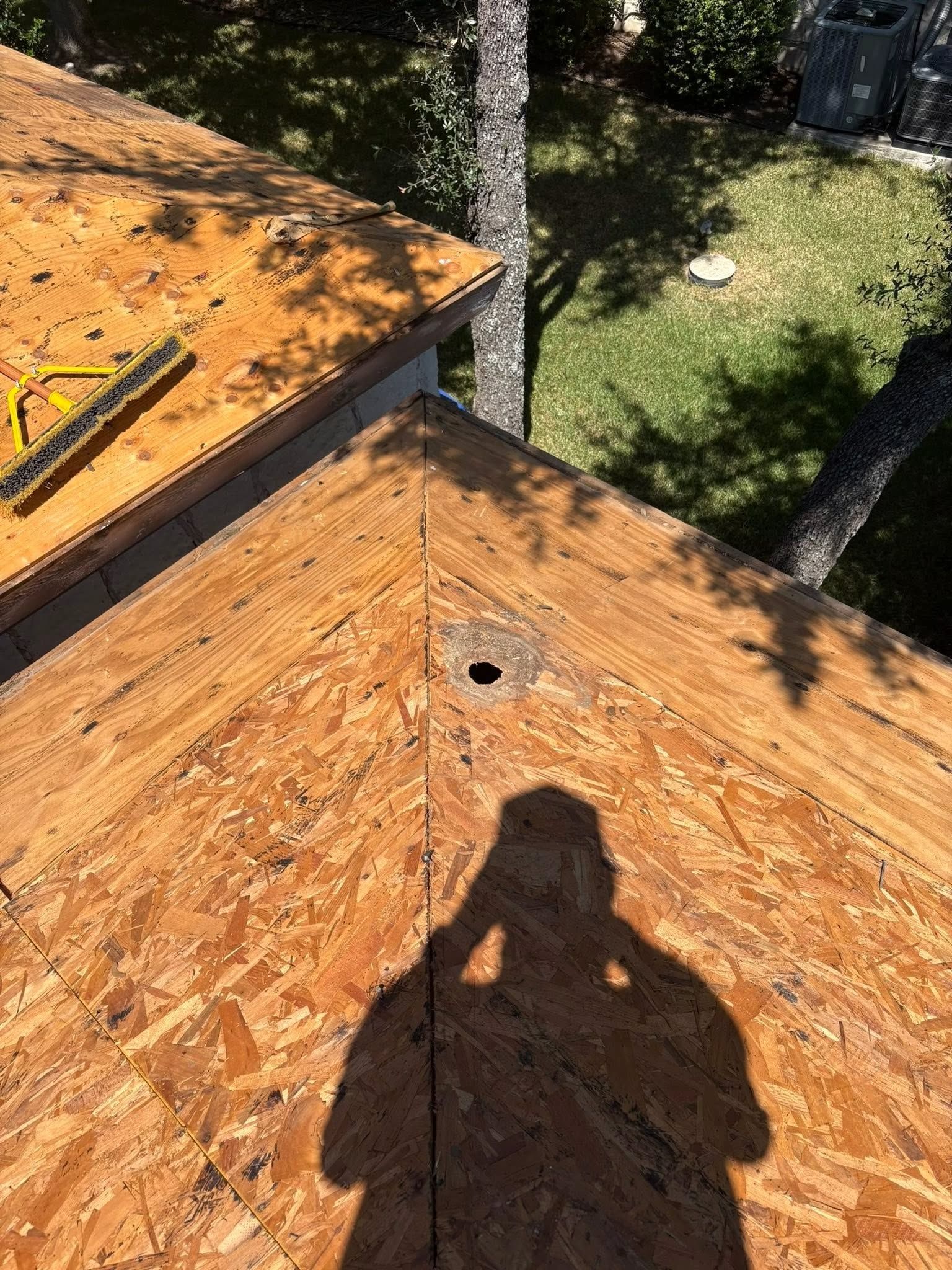
If there is no damage, the inspector says so; if there is, he photographs each area and walks you through the photos so you see exactly what was found. Western Skies Roofing & Construction provides roof inspections in Wimberley and surrounding Hill Country communities, where homes built in the 1980s, 1990s, and early 2000s often carry original shingle roofs that are nearing the end of their rated lifespan or metal roofs added during re-roofing projects that may have hidden fastener or flashing issues. The owner conducts each inspection personally, walking every slope and documenting what he finds with photographs taken on the roof, so you receive a clear record of current condition rather than a vague verbal summary.
Inspections are performed by accessing each roof plane directly, checking fasteners, flashing, shingle tabs, and any areas where prior repairs were made. The inspector looks for lifting shingles, exposed nail heads, cracked or missing granules, rust on metal panels, gaps in flashing around chimneys and vents, and any pooling or staining that indicates water is not draining as designed.
Schedule an inspection to receive a documented evaluation with photographs of your roof's current state.
The inspection covers every slope, valley, ridge, and penetration, and the inspector notes both damage and normal wear so you understand what needs repair now and what may need attention in the near future. Photographs are taken of any issues found, and those images are provided after the inspection so you have a visual record that supports repair decisions or insurance claims.
After the inspection, you know whether the roof is intact or if specific areas require repair, and you have photos showing the exact locations of any damage, wear, or prior repair work that is no longer holding. Shingle roofs are checked for granule loss, tab lifting, cracking, and fastener exposure, while metal roofs are inspected for panel dents, fastener backing, seam separation, and rust formation at cut edges or fastener holes.
The inspection also identifies whether damage is recent or the result of long-term wear, which matters when determining if a repair is covered by insurance or if it falls under deferred maintenance. Flashing around chimneys, skylights, and roof-to-wall transitions is checked for gaps, rust, or sealant failure, and valleys are inspected for debris accumulation or improper water flow that could lead to leaks.
Answers Homeowners Need Before an Inspection
Roof inspections raise questions about what the process involves, what the inspector will check, and how the findings are documented for Hill Country homes with varying roof materials and construction eras.
What does the inspector look for on a shingle roof?
The inspector checks for granule loss, lifting or curling tabs, exposed or loose fasteners, cracked shingles, and any areas where previous repairs are failing or where flashing has separated from the roof deck.
How is a metal roof inspected differently than a shingle roof?
Metal roofs are checked for panel dents, fastener tightness and gasket condition, seam alignment and separation, rust at cut edges or penetrations, and proper flashing integration at roof transitions and valleys.
What happens if the inspector finds damage during the evaluation?
The inspector photographs each damaged area from multiple angles, notes its location on the roof, and explains what caused the damage and what repair or replacement is needed to address it.
How often should a roof be inspected in the Hill Country?
Roofs should be inspected after major storms, when visible damage such as missing shingles or dents is noticed, before purchasing a home, and every few years on older roofs to monitor wear and plan for eventual replacement.
Will the inspection report include recommendations for repairs?
The inspector provides a clear explanation of what was found, what requires immediate attention, and what may need monitoring or repair in the near future, along with photographs that document the current condition of each area.
Western Skies Roofing & Construction also performs roof inspections in Dripping Springs, San Antonio, New Braunfels, Fredericksburg, and Canyon Lake. Inspections are free, and the owner, with over 50 years in roofing, conducts each evaluation personally with photo evidence provided.